Exploring Eastern and Western Knife Design Styles
- Jason Farris
- Dec 11
- 4 min read

Knives are more than just tools; they are a reflection of culture, tradition, and craftsmanship. The design of knives varies significantly between Eastern and Western styles, each with its own unique characteristics and purposes. Understanding these differences not only enhances our appreciation for these tools but also helps us choose the right knife for our needs. In this blog post, we will delve into the distinct features of Eastern and Western knife designs, their historical backgrounds, and practical applications.
Historical Background
Eastern Knife Design
Eastern knives, particularly those from Japan and China, have a rich history that dates back centuries. Japanese knives, known for their exceptional sharpness and precision, are often made using traditional techniques that have been passed down through generations. The most famous of these is the katana, a sword that symbolizes the artistry of Japanese blade-making.
Materials: Japanese knives are typically made from high-carbon steel, which allows for a sharper edge and easier sharpening. The use of materials like Aogami (blue paper steel) and Shirogami (white paper steel) is common among artisans.
Craftsmanship: The process of making a Japanese knife involves multiple steps, including forging, hardening, and polishing. This meticulous craftsmanship results in blades that are not only functional but also beautiful.
Western Knife Design
Western knives, particularly those from Europe and North America, have evolved differently. The design of these knives is often influenced by their intended use, whether for cooking, hunting, or utility.
Materials: Western knives are usually made from stainless steel, which offers durability and resistance to corrosion. This makes them suitable for a variety of tasks, from culinary to outdoor activities.
Craftsmanship: While Western knives also require skilled craftsmanship, the focus is often on functionality and ease of use. Many Western knives feature a full tang design, where the blade extends through the handle, providing better balance and control.
Design Features
Blade Shape and Size
One of the most noticeable differences between Eastern and Western knives is the shape and size of the blades.
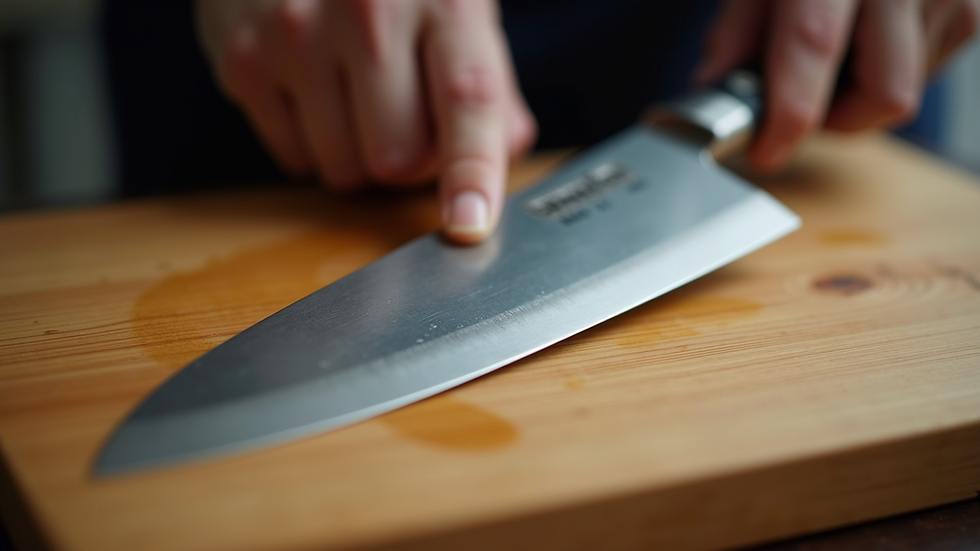
Eastern Knives: Japanese knives often have a thinner, sharper blade with a curved edge. This design allows for precise cuts and is ideal for delicate tasks such as slicing fish or vegetables. Common types include the gyuto (chef's knife), deba (fish filleting knife), and nakiri (vegetable knife).
Western Knives: Western knives tend to have a broader blade with a more pronounced curve. This design is versatile and suitable for a wide range of tasks, from chopping to mincing. Popular types include the chef's knife, paring knife, and bread knife.
Handle Design
The handle design also varies significantly between Eastern and Western knives.
Eastern Knives: Japanese knife handles are often made from wood, providing a comfortable grip. They typically have a wa-style (cylindrical) shape, which allows for a secure hold during intricate tasks. Some handles may also feature a D-shaped design, which fits comfortably in the hand.
Western Knives: Western knife handles are usually made from a variety of materials, including plastic, wood, and metal. They often have a more ergonomic design, with contours that fit the hand. This design is particularly useful for heavy-duty tasks that require a strong grip.
Usage and Applications
Culinary Uses
Both Eastern and Western knives have their own strengths in the kitchen.
Eastern Knives: Japanese knives excel in precision tasks. For example, the gyuto is perfect for slicing meat and vegetables, while the deba is designed specifically for filleting fish. The thin blade allows for clean cuts, making them ideal for sushi preparation.
Western Knives: Western knives are more versatile and can handle a variety of tasks. The chef's knife is a staple in many kitchens, suitable for chopping, dicing, and mincing. The broader blade allows for more forceful cuts, making it effective for tougher ingredients.
Outdoor and Utility Uses
In addition to culinary applications, both Eastern and Western knives have their place in outdoor and utility settings.
Eastern Knives: While primarily known for culinary use, some Japanese knives are designed for outdoor tasks. The hunting knife, for example, features a sturdy blade suitable for skinning and processing game.
Western Knives: Western knives are often designed with utility in mind. The fixed-blade knife is popular among outdoor enthusiasts for tasks such as camping, fishing, and hunting. The robust design and durable materials make them reliable tools in various conditions.
Maintenance and Care
Proper maintenance is crucial for both Eastern and Western knives to ensure longevity and performance.
Eastern Knives
Sharpening: Japanese knives require regular sharpening to maintain their edge. Using a whetstone is recommended, as it allows for precise sharpening at the correct angle.
Cleaning: Hand washing is preferred to prevent damage to the blade. Avoid using abrasive materials that could scratch the surface.
Western Knives
Sharpening: Western knives can be sharpened using a variety of tools, including honing rods and electric sharpeners. Regular honing helps maintain the edge between sharpenings.
Cleaning: Most Western knives are dishwasher safe, but hand washing is still recommended to prolong their lifespan.
Cultural Significance
Eastern Culture
In Eastern cultures, particularly Japan, knives are often viewed as an extension of the chef's skill. The craftsmanship involved in making a knife is highly respected, and many chefs take pride in using traditional tools. The art of knife-making is celebrated, with artisans often showcasing their work in exhibitions.
Western Culture
In Western cultures, knives are seen as essential tools for both cooking and outdoor activities. The emphasis is often on practicality and functionality. While there is appreciation for craftsmanship, the focus tends to be on the knife's performance rather than its artistic value.
Conclusion
Understanding the differences between Eastern and Western knife design styles enhances our appreciation for these essential tools. Each style has its unique characteristics, rooted in cultural traditions and practical applications. Whether you prefer the precision of a Japanese knife or the versatility of a Western knife, both have their place in the kitchen and beyond.
As you explore the world of knives, consider your specific needs and preferences. Investing in the right knife can elevate your culinary experience and make tasks more enjoyable. So, whether you are a professional chef or a home cook, take the time to learn about these designs and choose the knife that best suits your style. Happy cooking!


Comments